multifailure?

The other day I walked into a coffeeshop, a bit off the main road, a bit multiculti and hipster – yes, one of these things I like: paradoxes: off the main street, on the main trends …

Anyway, I looked around, found it OK and put my stuff down, before going to to order …

An espresso …,

I know hipster, snob …, call it as you want – instead of pronouncing it in proper German

Einen Espresso …

Part of the “einen” was shortened to an/un, the pronunciation of the “r” of espresso …, Gosh, it would make every Italian blush.

Ah, the answer had been clear …, at least clearly Italian.

A brief chat …, sitting down and working away – working away with a smile, coincidentally on identity, for the presentations later this week on Maynooth.

Then, walking away I am smiling even more, hearing at every table the sound of “one of my languages”, thinking back, having often been located between many chairs, but finding so seldom chairs that are growing with the number of cultures, walks of life … of the people sitting down. Perhaps it is because the chairpeople are always walking away. multiculti presenting itself as multifailure.

It is not long anymore, wondering since a long long time if I am leaving more behind or will be finding more ahead. – Gracias. Realmente disfruté conociéndote.

外国高端人才确认函

The official document arrived Monday, it means that I am accepted by the government as High Level Foreign Expert – this does not change my opinion when it comes to ranking, excellence and special personal merit. Here as in other cases it is what it is.

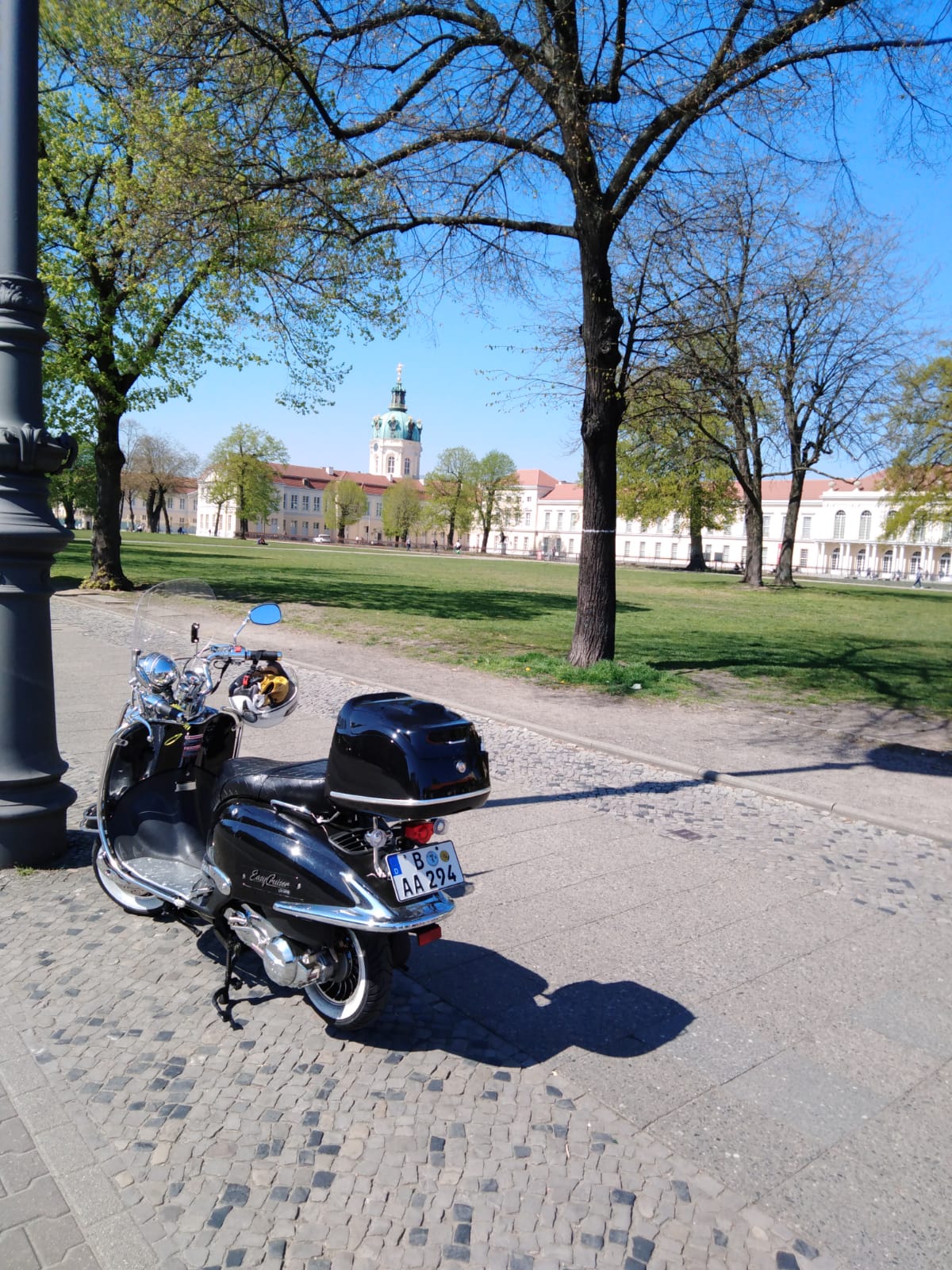
Wednesday then – I arrive at the airport, already checked it. The special jacket kept me warm on the scooter tough it is getting nippy, with little signs that it may be a stormy autumn. I left it in the “boot”, walk in may civilised cat to the terminal building.

A short while later: I put all the stuff into the boxes, pass the security, also the second “special” security check, go to the belt to got ready: pockets stuffed, electronics put back into place …. nearly there, just last box .. “Is this yours as well?” Nodding, I haste a bit, thinking that he wants to take it in order to return it with the other boxes … “Can you come with me, please?!” I follow, the small room, the frequent test for explosives. Of course, nothing found: ”Thank you, Sir … and please accept my apologies for any inconvenience” – “I thank you” – finally it is an exercise to protect myself and others. About two hours later – I just reply a text message, clarifying what I wrote earlier: that it is so often that I receive that special treatment. And I add “But what is really worrying: here at Paris airport everybody gets special treatment now: they reintroduced passport control … – all are equal.”

I am moving with the crowd through the halls of the airport, the RER, ligne B. Instead of changing the train to go to St Denis, I walk the short distance from the Stadium. Half way, the phone rings .., – unknown number, 030…. – it takes some time: “Yes, of course .. yesterday we talked about the visa …” – “Everything is OK, it is a visa type …, the letter does not mean anything to me, only when she explains I am asking myself about the different meaning something may gain, depending on the concrete conditions. The different meaning for instance of “freedom of movement.”

– Well, the外国高端人才确认函 means as well that I am going to fill the position of professor at the Law School of Central South University, Changsha, PRC, part of the remit will be concerned with Human Rights.

Sure, some things happen by accident; but it may well be that small accidents happen in order to avoid major averages.

joining or not

The rally – not climate is out of control but life and living … or the other way round?

Vienna, September 19th;
Finally on the meeting Roland gratefully says in a short “impulse statement” for the debate: I do not have an answer, a solution …, I just know that we have to do something, namely look for the right question. Everybody agrees …, and so many say “but we know the narrative”

Berlin, September 20th, around 10 a.m.: traffic congestion on the highway 100 – I leave after a while, even with the scooter I am ore or less stuck

Berlin, September 20th, around 2 p.m. walking at the back of the metro/S-Bahn Friedrichstrasse, many years ago the place of “crossing” from one oa of the city another, divided by a wall.
Today crossing arms with strangers, building a wall – nobody has the answer, many have some answer and some may even think they have THE answer.

An old point comes to my mind – I am full of fear:

Ci dicono, in molti, in queste ore: non dobbiamo avere paura. Io invece ho paura. Voglio avere paura. Non dell’ineluttabile possibilità che questo orrore possa colpire me, o i miei cari; credo che per questo dovremmo affidarci alla nostra collettività, abbracciarci, dalla piccola alla grande, fino su in alto alle istituzioni che ci rappresentano e che dobbiamo aiutare a proteggerci.

Ho paura di chi dice: non sono umani. Ho paura delle risposte semplici alle domande complesse. Ho paura delle espressioni come: Parigi brucia. Ho paura di quello che può succedere: delle mamme che benedicono sulla porta i figli pronti alla guerra, ho paura dei numeri che prendono il sopravvento sulle storie, ho paura delle lacrime sulle bare che voglio altre lacrime su altre bare su altre bare su altre bare. Mi fanno paura i politici che hanno paura. Le frontiere europee chiuse unilateralmente senza logica apparente. Ho paura dei coprifuoco, dei concerti annullati, delle cene al ristorante con un occhio sempre fisso sulla porta.

Ho paura del Bignami della Fallaci. Mi fanno paura nella stessa frase “vaticinio” e “Sottomissione”. Quelli che pensano “scappiamo finché siamo in tempo”, come i bambini che chiedevano a Primo Levi: perché non siete scappati prima? Ho paura di chi mette tutto insieme nello stesso calderone, di quelli che non nascondono l’entusiasmo di pronunciare la parola “guerra”, ho paura anche del Piave che pure non ne può nulla e stava lì quando ero più felice. Ho paura di saperne troppo poco, di non trovare le parole o di dirne troppe, e fuori luogo. Ho paura della rabbia istantanea sulle notizie non verificate, una rabbia che rimane attaccata sulla pelle come una crosta, un trasferello nella testa anche se la notizia è smentita. Ho paura dei paragoni a capocchia, della banalità del male che non mi ha mai convinto, del sentirsi estranei, come se l’umanità non fosse sempre una e una sola, nel bene e nel male.

Mi fa paura anche “il tuo amico ti fa sapere che sta bene”. Si, ho una paura fottuta del tasto “sto bene” appeso sempre al collo come un salvavita per anziani, come una nuova coperta di Linus collettiva che non potrebbe che toglierci il respiro. Io non sono buonista. Non sono buono, sono cattivo. Proprio perché sono cattivo ho paura: perché in fondo, alla fine, a farmi paura siete tutti voi, siamo tutti noi.

I am to least afraid that we do not really know the answer, that we are moving without getting anywhere …

And a comment – the reproduction of a letter by Enrico Galiano:

Caro Ministro dell’Interno Matteo Salvini ,
ho letto in un tweet da Lei pubblicato questa frase: “Per fortuna che gli insegnanti che fanno politica in classe sono sempre meno, avanti futuro!”.
Bene, allora, visto che fra pochi giorni ricominceranno le scuole, e visto che sono un insegnante, Le vorrei dedicare poche semplici parole, sperando abbia il tempo e la voglia di leggerle. Partendo da quelle più importanti: io faccio e farò sempre politica in classe. Il punto è che la politica che faccio e che farò non è quella delle tifoserie, dello schierarsi da una qualche parte e cercare di portare i ragazzi a pensarla come te a tutti i costi. Non è così che funziona la vera politica.
La politica che faccio e che farò è quella nella sua accezione più alta: come vivere bene in comunità, come diventare buoni cittadini, come costruire insieme una polis forte, bella, sicura, luminosa e illuminata. Ha tutto un altro sapore, detta così, vero?
Ecco perché uscire in giardino e leggere i versi di Giorgio Caproni, di Emily Dickinson, di David Maria Turoldo è fare politica. Spiegare al ragazzo che non deve urlare più forte e parlare sopra gli altri per farsi sentire è fare politica. Parlare di stelle cucite sui vestiti, di foibe, di gulag e di tutti gli orrori commessi nel passato perché i nostri ragazzi abbiano sempre gli occhi bene aperti sul presente è fare politica.
Fotocopiare (spesso a spese nostre) le foto di Giovanni Falcone, di Malala Yousafzai, di Stephen Hawking, di Rocco Chinnici e dell’orologio della stazione di Bologna fermo alle 10.25 e poi appiccicarle ai muri delle nostre classi è fare politica.
Buttare via un intero pomeriggio di lezione preparata perché in prima pagina sul giornale c’è l’ennesimo femminicidio, sedersi in cerchio insieme ai ragazzi a cercare di capire com’è che in questo Paese le donne muoiono così spesso per la violenza dei loro compagni e mariti, anche quello, soprattutto quello, è fare politica.1
Insegnare a parlare correttamente e con un lessico ricco e preciso, affinché i pensieri dei ragazzi possano farsi più chiari e perché un domani non siano succubi di chi con le parole li vuole fregare, è fare politica. Accidenti se lo è.
Sì, perché fare politica non vuol dire spingere i ragazzi a pensarla come te: vuol dire spingerli a pensare. Punto. È così che si costruisce una città migliore: tirando su cittadini che sanno scegliere con la propria testa. Non farlo più non significa “avanti futuro”, ma ritorno al passato. E il senso più profondo, sia della parola scuola che della parola politica, è quello di preparare, insieme, un futuro migliore. E in questo senso, soprattutto in questo senso, io faccio e farò sempre politica in classe.

Enrico Galiano

Yes, I am afraid – and even if I am especially afraid saying what I think is the truth, saying that I have doubt and that I do not know but want to search, honestly, with others – Camminiare insieme – I will try to do, even if walking may mean building a wall. Not knowing the answer does not suggest moving on with giving the old and wrong answers

Berlin, 20th of September, about 5:00 p.m., I am waiting in the canteen – we want to go to the new performance of Brecht’s Baal …

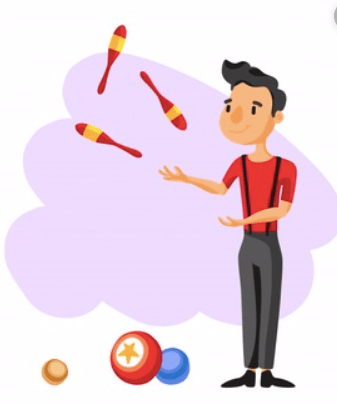
The Juggler

he is standing there since about a week now – every time I pass, thus it means very different times. Sure, it may be by accident that he is just there – arriving short time before I do arrive, and leaving just the second i am around the corner. More likely is that he has longish working hours – where? motor highway 100, going to Hamburg … the rich cities of the former West, exit Tempelhofer Damm, turning to the right, direction Platz der Luftbruecke, once thought to be the square linking Westberlin to the so-called free West, the rich Uncle Sam bringing presents.

I do not know the juggler, only know that he is free to stand there, performing his art.

juggling – and he seems to be a cheerful nature, nearly forgetting over his play to stop, collecting money some of the drives give. The traffic light switches, he plays again – a cycle like that of the economy of the country, and that of the global economy – here it is smaller, of course, manageable.Also – I guess – the money he has at the end of the day is most likely manageable.

Also – I guess – the money he has at the end of the day is most likely manageably 


The modern building, mostly men, white, middle-aged though far from belonging to the middle ages, upper-middle class though not thinking about classes and class interests, not even thinking about nations, while far from accepting “nationality human being”,  wearing their suits to make them suit into the smooth ivory towers, though those may be of glass .. – they aren’t elephants, are they? — all spruced up though looking a bit chivy … 

… finally it is 11 c’clock, nobody to blame: not the traffic – that might change anyway when the bureaucracies do not undermine the  use of helicopters for short distance flights anymore; not the driver – finally there is public space between the gated community and the fortress of the business-tower – public space that requires accepting public rules in order …, yes, in order of maintaining law and order; not the attendant at the golf tournament which had been finally a matter of meeting business colleagues  … – some time now to be spent in the office: brief meetings with other CEO’s, with secretaries, a call “No, I have to speak the minister personally …” – at the end of the day this juggler writes on the personal flag: the day’s turnover amounts to …, well, there are amounts mores suggest it is better not to mention them; this day’s regular income …, there are figures that cannot be imagined anyway; this day’s additional income, gathered from some private consultancy work … psst, not everybody has to know, some would even say it is income gathered in the shadow economy … isn’t shadow the natural companion of the bright sun they make shining everyday?

Despite the bright light many of them look grumpy, the kind of official face matching the severity of the job …the serene mind they have to employ to set the, to their algorithms into notion.

Jugglers, one job, one society, one world — gosh, such a difference … 

Differences

Zhouxiang – we had been sitting together for breakfast in 芜湖 – looked at me, somewhat sincere – we had been taking out some professional issues and editorial work – saying:

People of your age …

and in the following he appreciated my experience, positioning them in a positive way against the way things are done today…  I admit, my first (inner reaction) had been .., I felt a bit upset, not feeling old though this is what he openly meant by “pope of my age”. Learning Chinese means also learning to feel and appreciate the deep respect behind his words – and again and again, when we meet I feel this as such an asset of our friendship.

****

Our chauffeur brought us – there had been two of us – from the airport for this three to four hours drive to the congress venue. Not knowing each other we presented ourselves, just in an informal way, talking about the work and a bit about the failure of striking a balance with life. In my case it meant taking out being in different places, giving presentations, teaching at different universities, and even in different countries and continents. May I ask how old you are … “No problem” and I revealed the middle 60s. She smiled

Isn’t it great then, being still able to do all these things.

https://cdn.cnn.com/cnnnext/dam/assets/120623104830-tall-ships-01-horizontal-large-gallery.jpg

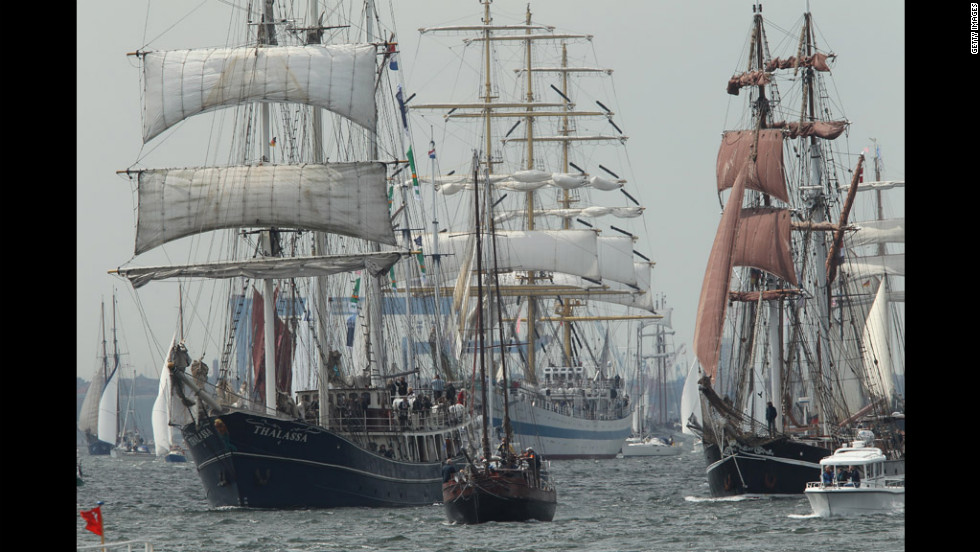
Funnily enough, during our talk I also talked about China, the respect older people experience: an appreciation of experience. And I said, I would not know about something like it in the West”. If old age is respected, it is the respect towards somebody “who did his job, deserving to retreat. It feels different than being respected – and perhaps even challenged – with the experience one gained. It is a bit the difference between a shipwreck and a windjammer.

Another time …

another time – moving from one place to another, some suggesting “moving home” though a passport, indispensable in some respect and for some as well expressed here, does not mean anything in and for others …, so it is for me, indeed, just ‘moving from one place to another’, wondering if and when it comes to a standstill … 

The weekend busy with putting things into place which; while massively downsizing, it had still been a huge amount of work, also mental work. Will happen, what had been promised, when and where I left some time ago: the work on the project in Łódź, the projected cooperation between the colleagues in Munich and Moscow, the ‘foundation-library’ in Rome, which had been promised such a ling time ago, and saddening every time I think about my books still behind bars …

… but it is also about the other dimension, letting Hans Bender, while tidying up, state

here some letters, manuscripts, mostly fragments, photographies – but who, after I left, will be able to call the by name?

look … said the blind to the seeing

This is as well an expression of the survival of empathy, of humane parts within the entirety of human existence – the words with which Peter sent a link to a piece of music: the survivor of Warsaw.

A Torso

I said.

I cannot see – I cannot walk or talk …, I cannot even hold something

said the torso

Negativity?

I dared to ask.

There is no real life in the wrong one …, and still …

The Torso continued saying

Perhaps I can make you ask, offer you some light so that you can see yourself offer you the missing limb, the imagination of which gives you the strength to stand, holding with a firm grip what needs to be …moved.

time…s

There is a paradox when it comes to the greatness of life, there is the challenge of the unbearable lightness of being, taking up up on Kundera.

Life, with all its beauty, cold be so great, could offer a real lightness of being ….


yet before becoming great for all and everybody it still needs

Peace to the cottages! War on the palaces!

Are they really learning?

The Vienna Academic Press/Wiener Verlag fuer Sozialforschung, after a complete relaunch, now being under new management, I met yesterday evening in Vienna the new chief manager who took on board the republication of my PhD-thesis – a reprint without changes:

Die Organisation. Eine Analyse der modernen Gesellschaft

The Organisation. Analysis of Modern Society

In the following the forward is published, in German and English language. Thinking back the line of my academic work since then, I have to say that I never did what so many of the colleagues said oder the years: I closed this chapter once and forever. I did not even think this would be tempting

Scroll for English

Die Organisation. Eine Analyse Moderner Gesellschaft – Vorwort zur unveränderten Wiederauflage

Organisationen sind, so wird gesagt, lernende Einheiten. Sicher ist dies in mancher Hinsicht nicht zu bestreiten, aber doch lässt sich auch schnell zögern, denn die Frage ist doch zunächst sehr grundsätzlich, ob denn Organisationen überhaupt als handlungsfähige Einheiten bestehen. Ihnen einen solchen Charakter zuzusprechen bedeutet letztlich, dass man sie als vollständig verselbständigte Einheiten sieht, die Menschen darin im Grunde zu unselbstständigen Ausführungsorganen degradiert, und zugleich die historisch-gesellschaftlichen Bedingungen zu Randglossen verkommen (sind).

Das mag tatsächlich oft durchaus so erscheinen – und die persönliche Erfahrung des Engagements in den fast dreißig Jahren seit der hier unverändert aufgelegten Studie, gesammelt in verschiedenen Bereichen und verschiedenen Ländern, gaben oftmals Anlass zu solchem Gedanken an ein „Vergib Ihnen nicht – sie machen sonst doch nur, was sie selbst wollen“. Zugleich aber ist doch ein Punkt hervorzuheben, der in der Arbeit gemacht wurde – vor allem mit einem Zitat von Antonio Gramsci belegt: bei solchen scheinbaren Detailbetrachtungen wie Parteien, Organisationen etc., muss man die ganze Geschichte der relevanten Länder mitdenken.

Tatsächlich kann daran wohl der Kern gesehen werden, der allen Zweifeln entgegensteht: die damalige Analyse hat sicher manches voreilig verallgemeinert. Aber die grundlegende Unterscheidung der handlungstechnischen Dimension der Aneignung einerseits, der verwertungsmäßigen Dimension andererseits ist eine sinnvolle Handreichung vor alle auch bei der Entwicklung strategisches Handeln und bei Überlegungen, innerhalb von Organisationen ein solches zu entwickeln. Dies gilt es dann eben konkret in den historischen Analysen zu entwickeln. Und wird dann auch schnell deutlich, dass „Verselbstständigungen“ schlicht morbide Erscheinungen sind.

Das ermöglicht auch, Organisationen in einem gesamtgesellschaftlichen Rahmen von doch immer noch modernen kapitalistischen Gesellschaften zu verorten. Intermediär ist ihre Rolle nicht nur als Vermittlungsinstanz verschiedener „Ebenen“ gesellschaftlichen Handelns, sondern auch im Sinne von Vermittlungen zwischen verschiedenen Möglichkeitshorizonten. In diesem Sinn muss man wohl sagen, dass der Sieg der verselbstständigten Organisation nichts anderes ist, als der Sieg der konservativen Kräfte auch in einer Zeit des Interregnum, jener Phase, von der Antonio Gramsci schrieb, dass die Krise darin bestehe, dass das Alte zwar im Sterben liege, aber das Neue noch nicht geboren werden kann. Die morbiden Erscheinungen, die bei dem italienischen Hegemoniekritiker betont wurden, sind eben nicht zuletzt Organisationen, die ein „Heim“ für jene bieten, die den Weg in die Neuzeit verpassen.

Dank gilt dem Wiener Verlag, namentlich Herrn Heribert Renkin. Nunmehr hat der Verlag unter neuer Leitung dieses Projekt übernommen.

Łódź/Berlin, March 2019

The Organisation. An Analysis of Modern Society – forword to the republished original work

Organisations are, it is said, learning units. Of course, in some respects this cannot be denied, but one may well hesitate, because the initial question is a different, and a very fundamental one, namely whether organisations do exist at all as units capable of action. To attribute such a character to them ultimately means that they are seen as completely independent units, people being basically degraded to dependent executives, and at the same time the historical and social conditions made to marginalia.

This may indeed often seem to be the case – not least the personal experience of engaging during the almost thirty years since the study had been originally published, experience made in different areas and different countries, often gave rise to he thought “Do not forgive them – they will otherwise only do what they want to do themselves“. At the same time, however, one point should be emphasised – made in the study itself above all by quoting Antonio Gramsci who suggested that in such analysis of detailed phenomena as parties, organisations, etc., one has to think along the line of the entire history of the country in question.

In fact, we can see the core of this demand indeed also in the presented work: while the analysis certainly generalised some issues prematurely, one point proved to be valuable: the fundamental distinction between the technical dimension of appropriation on the one hand, and the exploitative dimension on the other. This is a meaningful help, especially in the development of strategic action and when it comes to considerations of developing change oriented action within organisations. This must then be developed concretely in the historical analyses: it becomes quickly clear that “autonomies” are simply morbid phenomena.

This makes it also possible to locate organisations within the overall social framework of still modern capitalist societies. They are not only intermediaries in their role as mediators of different “levels” of social action and classes; they are so as well in the sense of mediation between different horizons of possibility. In this sense, it must be said that the victory of the independent organisation is nothing else than the victory of the conservative forces even in a time of interregnum, the phase of which Antonio Gramsci wrote that the crisis consists in the fact that the old is dying, but the new cannot yet be born. The morbid phenomena stressed by the Italian critic of hegemony are not least organisations that offer a “home” for those who miss the road to modern times, some kind of zombies.

My thanks go to the Vienna Press, namely Mr. Heribert Renkin; he has taken over this project in the publishing house which is now under a completely new management.

Łódź/Berlin, March 2019